
The History of Coqualeetza Hospital "Building 1"
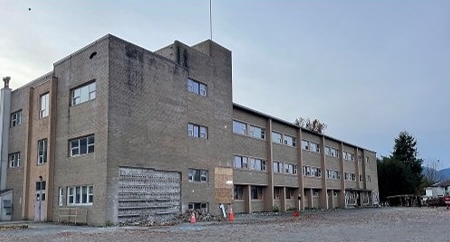
Situated on the Coqualeetza Grounds in Ts’elxwéyeqw territory in S’ólh Téméxw, the Coqualeetza Indian Hospital operated from 1941 to 1969. Following the closure of the hospital, the building itself took on many uses, including its use as administrative offices.
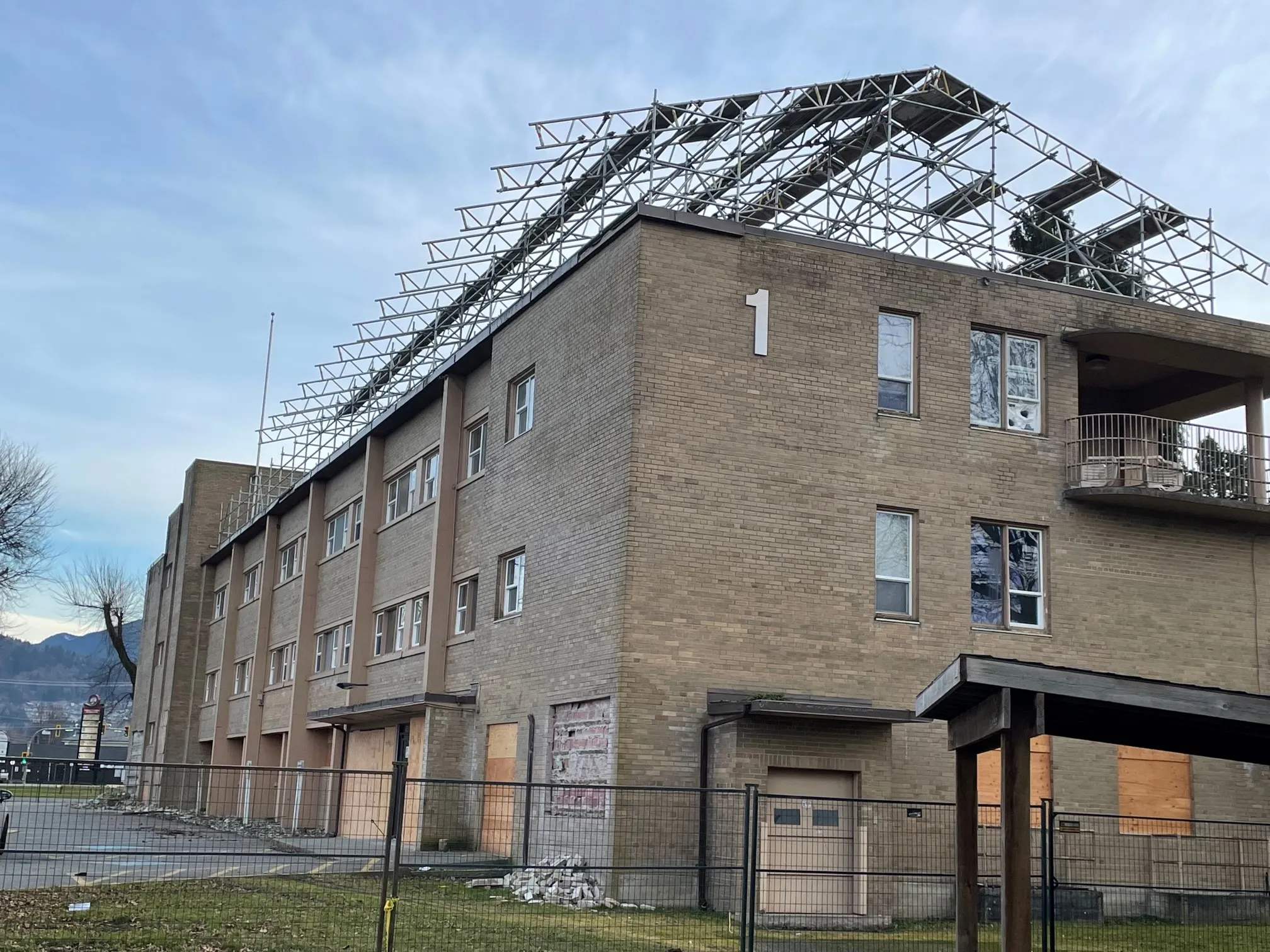
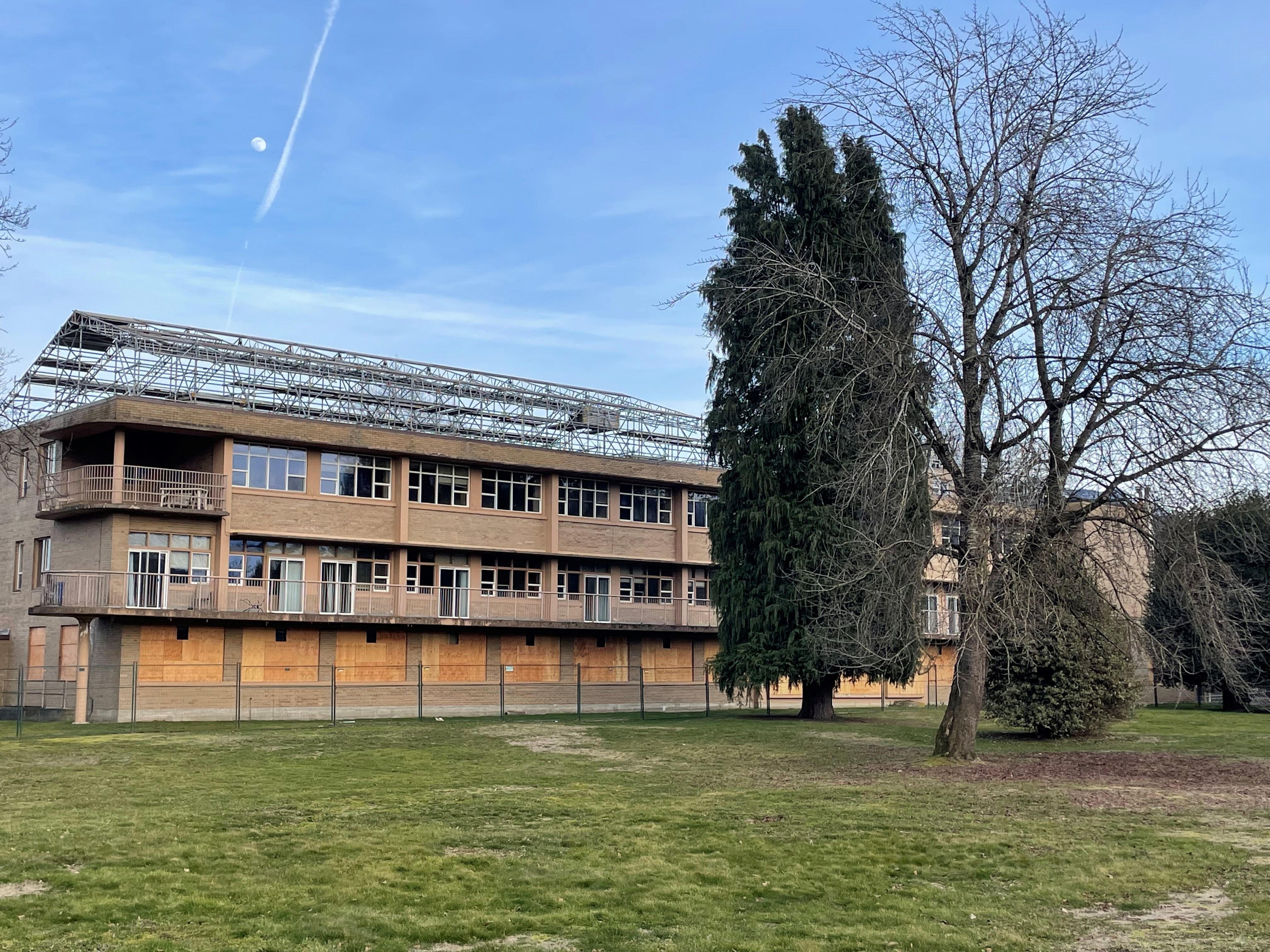
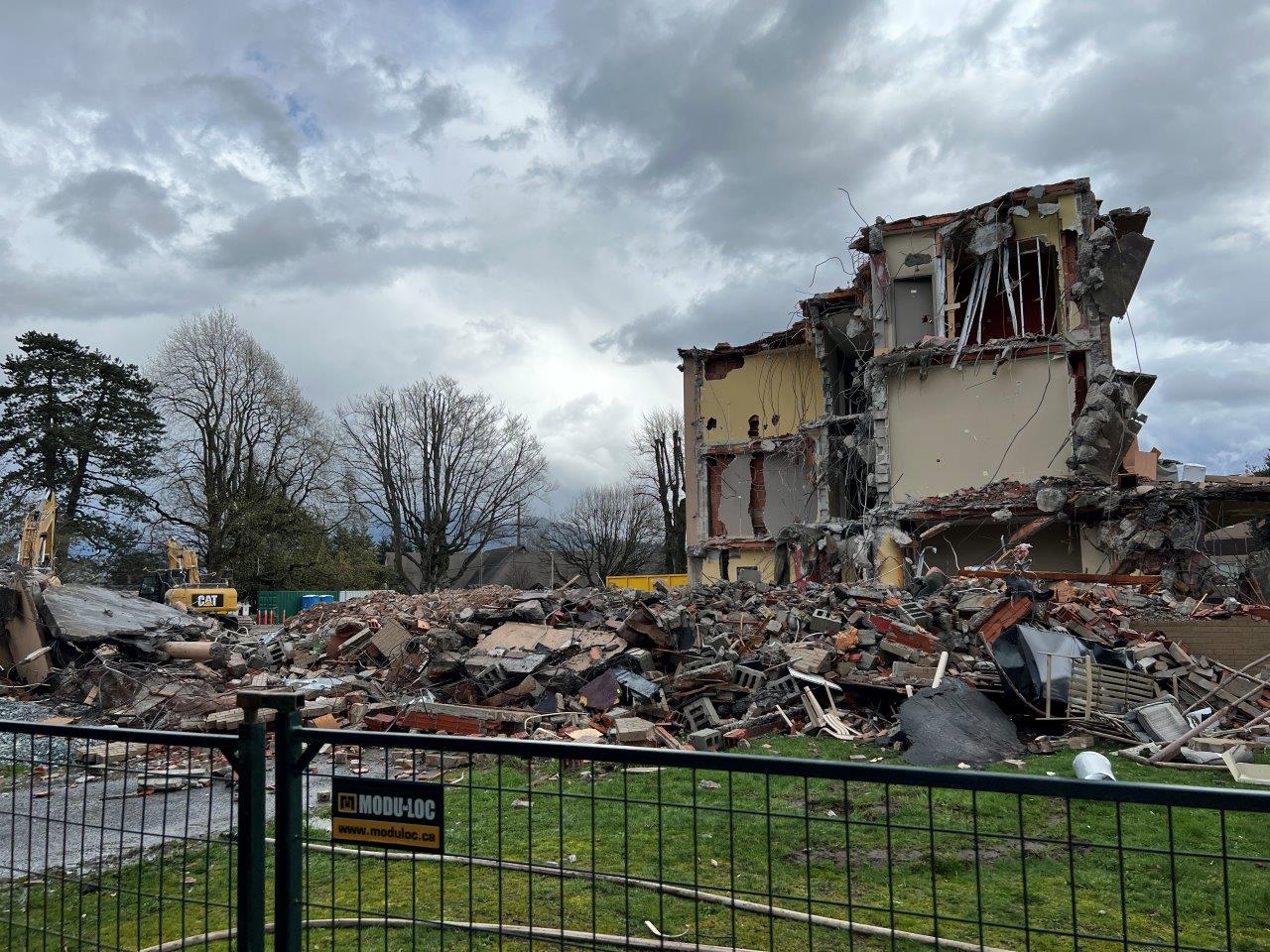
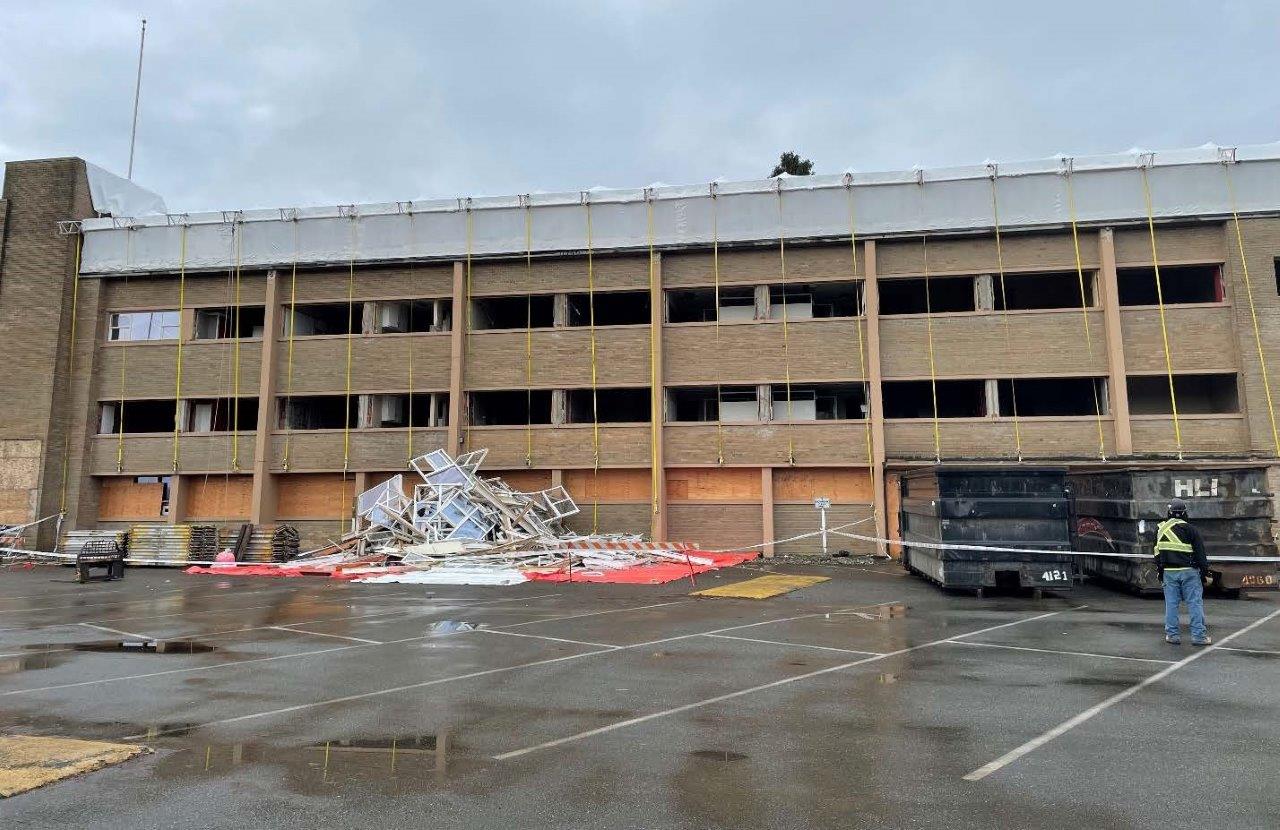
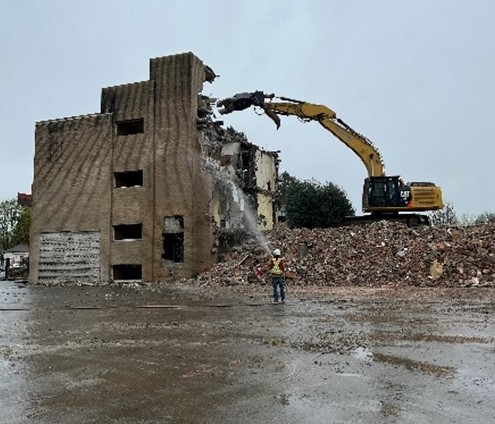
Situated on the Coqualeetza Grounds in Ts’elxwéyeqw territory in S’ólh Téméxw, the Coqualeetza Indian Hospital operated from 1941 to 1969. Following the closure of the hospital, the building itself took on many uses, including its use as administrative offices. During this later stage, the building was renamed ‘Building #1’ and was in use until 2022 when it was condemned and torn down. This documentary covers the history of the Coqualeetza Grounds, the hospital, and the building itself. Created in partnership with Bear Image Videos, Si:yémiya (Albert ‘Sonny’ McHalsie) and other community leaders, this video is a shortened version of an extended documentary. For more information, please reach out to the Sto:lo Library and Archives or visit our website srrmcentre.com.
The story begins on the banks of the Luckakuck Creek on the traditional territory of the Stó:lō people, where the place known in Halq’eméylem as Qw’oqw’elith’a (“cleansing place” / “gathering spot”) later became the Coqualeetza site. Coqualeetza Cultural Education Centre A school and missionary home were established in the late 19th century, which in time evolved into the large institutional complex depicted in the video.
In the early decades, the residential school known as Coqualeetza Industrial Institute (formerly the Coqualeetza Home) operated under Methodist mission direction and housed Indigenous children from across British Columbia. In 1941, the institutional role shifted: the buildings were converted into Coqualeetza Indian Hospital, one of the earliest federally-funded “Indian Hospitals” in B.C., designed to treat tuberculosis (TB) and other illnesses among Indigenous communities.
The video highlights how the hospital operated through a period of changing health-care paradigms. TB was a major crisis for Indigenous people at the time, and the conversion of the residential-school site into a hospital marks a painful intersection of colonial policy, health inequity, and community resilience. BC An Untold History The facility closed in 1968/69, and the grounds are now managed by the Stó:lō community, and house the Coqualeetza Cultural Education Centre which preserves the stories of the land and people.
Support is Here for You
We understand this process may be re-traumatizing for many. If you or someone you know is struggling, a National Indian Residential School Crisis Line is available for former Residential School Students. Support is here 24/7; please reach out.
Indian Residential School Survivors Society
1-800-721-0066 (toll-free)
National Indian Residential School Crisis Line
1-866-925-4419 (toll-free)
Métis Crisis Line
1-833-MétisBC (1-833-638-4722)
Kuu-Us Crisis Line Society
Crisis services for Indigenous people across BC
250-723-4050 (Adults/Elders line)
250-723-2040 (Youth line) or 1-800-588-8717 (toll-free)
Hope for Wellness Help Line
Immediate mental health counselling and crisis intervention
1-855-242-3310 (toll-free) or hopeforwellness.ca (confidential chat)